
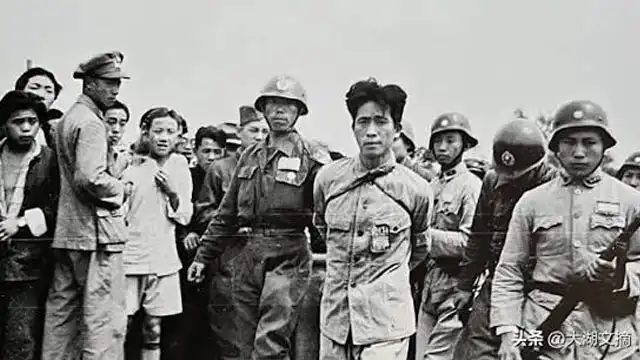
An individual sentenced to death as a Class B or C war criminal.
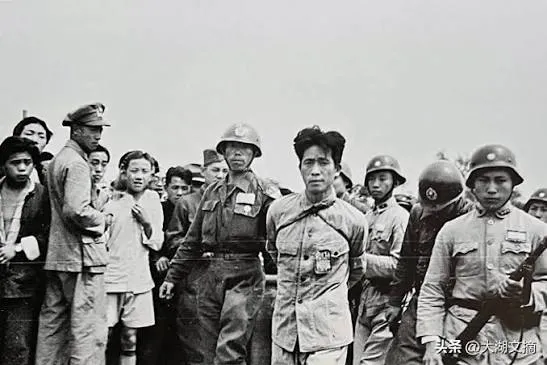
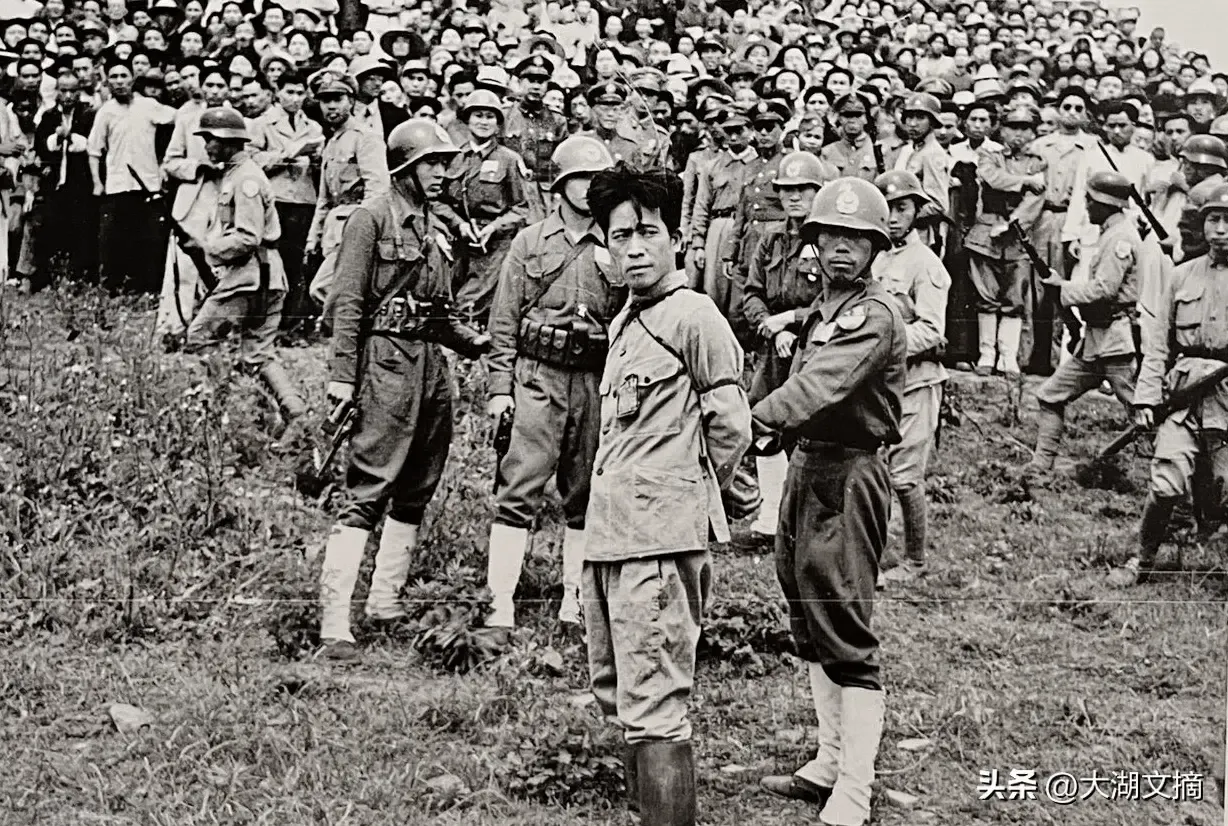
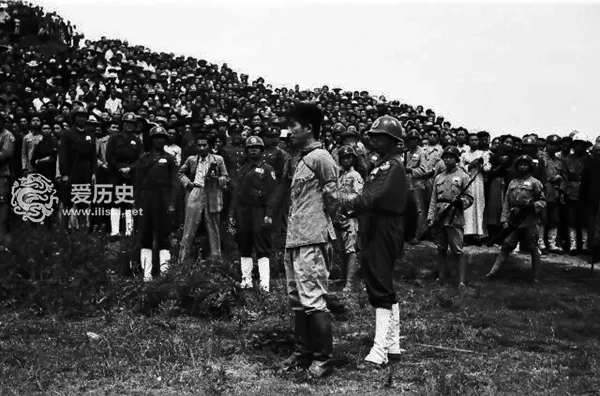
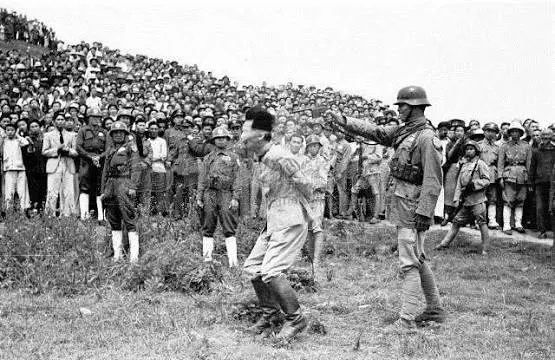
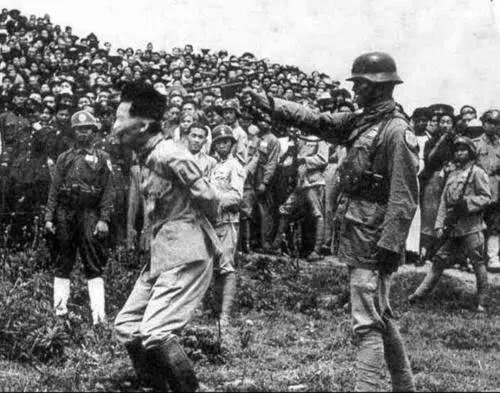
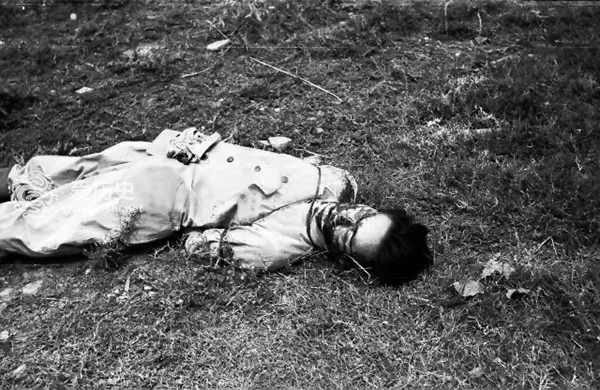
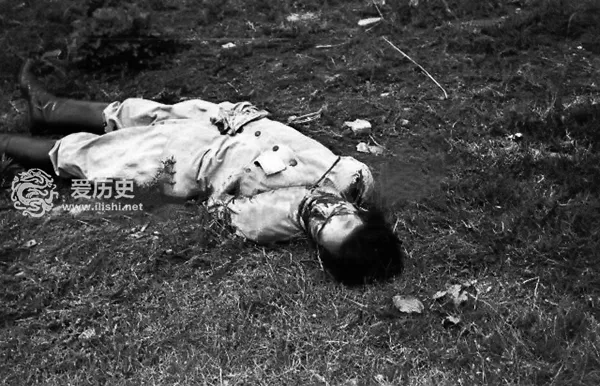
On June 11, 1947, Kiyoshi Matsumoto, a former Japanese army military police officer, was executed by firing squad at the Yuhuatai Execution Ground in Nanjing, China. The man, who was feared to be the “Tiger of Jiashan (Zhejiang Province)” for his involvement in harsh interrogations and massacres, was arrested immediately after the end of the war and sentenced to death at a war crimes trial. His final moments came after nearly two years in detention.
Images
1
2
3
4
5
6
7
8
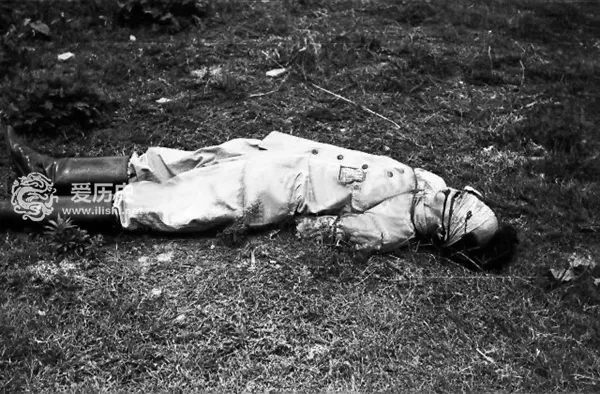
Yuhuatai Execution Ground: A Genealogy of War Criminal Executions
At the Yuhuatai execution ground in Nanjing—where Kiyoshi Matsumoto was executed by firing squad—a series of other executions took place following similar war crimes trials. Tani Hisao, a former Imperial Japanese Army lieutenant general held responsible for the Nanjing Massacre, was sentenced to death on March 10, 1947, and executed by firing squad at Yuhuatai on April 26 of the same year. Additionally, Second Lieutenants Toshiaki Mukai and Tsuyoshi Noda—accused of participating in a “contest to kill 100 people”—along with Captain Gunkichi Tanaka—accused of killing 300 people—were sentenced to death in December 1947 and executed at the same site, Yuhuatai, on January 28, 1948.
These cases share a common characteristic: unlike the Tokyo Trials, which addressed the responsibility of wartime leaders (Class A war criminals), these individuals were tried by military tribunals established across China by the Nationalist Government for conventional war crimes and crimes against humanity (Class B and C war criminals). Between April 1946 and January 1949, the Nationalist Government issued a total of 598 verdicts through military tribunals in ten locations, including Beijing, Shanghai, and Nanjing; the case of Kiyoshi Matsumoto should be understood as one instance within this large-scale process of prosecuting war criminals.

Comments